SailPoint Armada
Before
A design system in name only
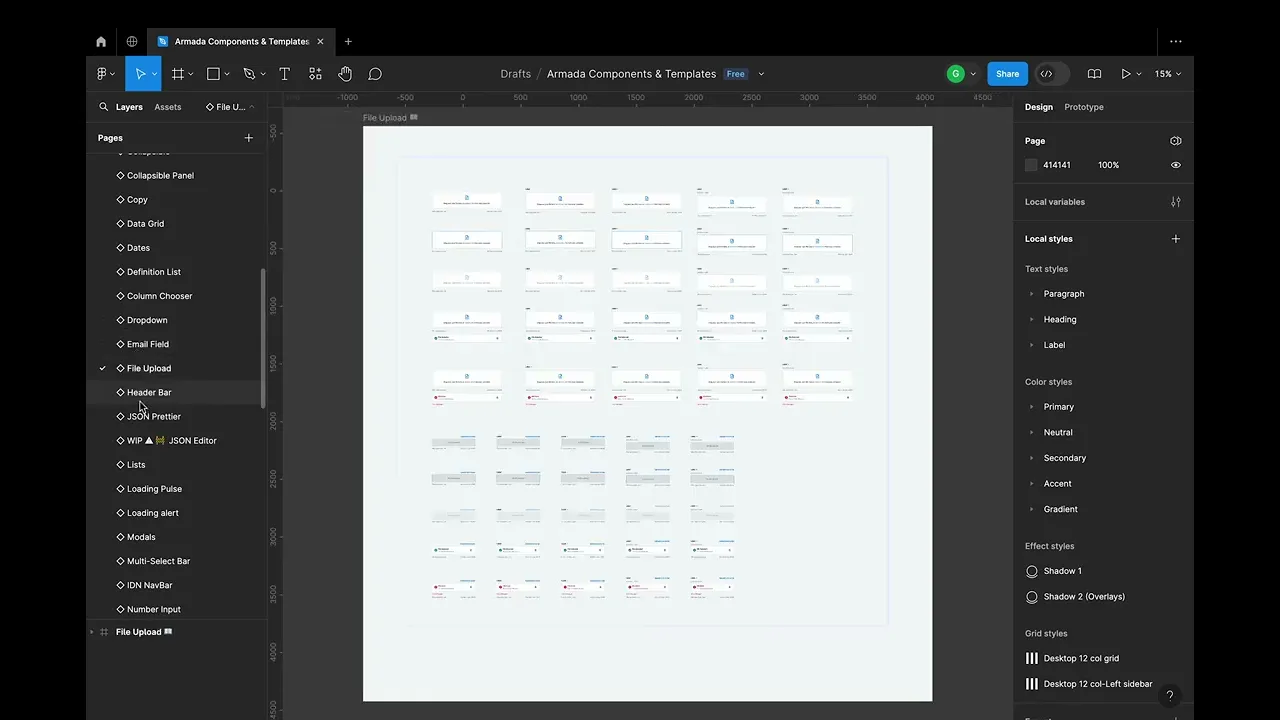
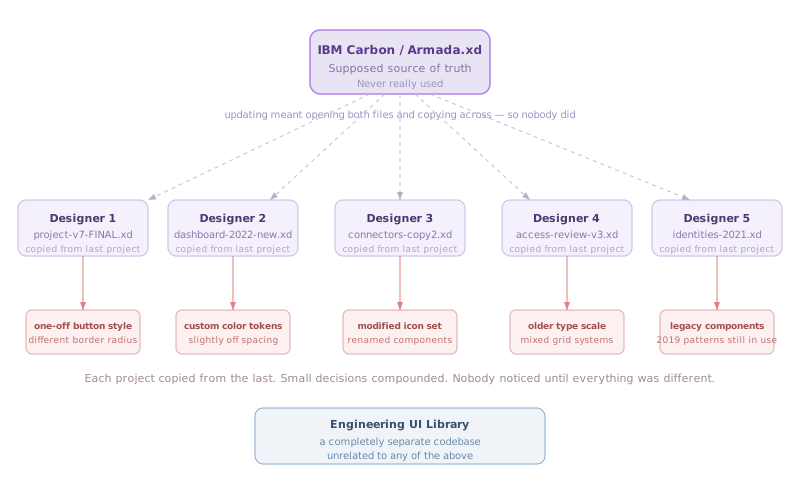
When I joined SailPoint as the first new designer in three years, the Armada design system existed in name only. It had been copied from IBM Carbon, modified in Adobe XD, and never meaningfully adopted. Each of the five designers maintained their own component library. Engineering had purchased and was using a completely separate UI library. No one agreed on what the source of truth was, because there wasn't one.
I was new. Nobody had a grudge against me yet. That turned out to be the most important thing I had going for me.
Design files drifted from code constantly. When designers handed off work, engineers had a reasonable argument for ignoring it — the specs didn't match what they were actually building. That friction had calcified into a real cultural problem. Designers were frustrated that dev wasn't following their work. Engineering was frustrated that design didn't understand the realities of implementation. Both sides had been fighting long enough that the conflict had become personal.
What I did
Four moves that changed the system
I used the outsider advantage to do what the existing team couldn't, start conversations without baggage, audit without defensiveness, and propose changes without triggering old arguments.
Move 1
Audited the real state of things
Documented what actually existed across all five designer libraries vs. what was in code. Made the gap visible and inarguable for the first time.
Move 2
Built trust with engineering first
Sat with engineers, learned how they were actually using the UI library, and designed the new system to close the gap between design specs and what could realistically be built.
Move 3
Migrated to Figma mid-delivery
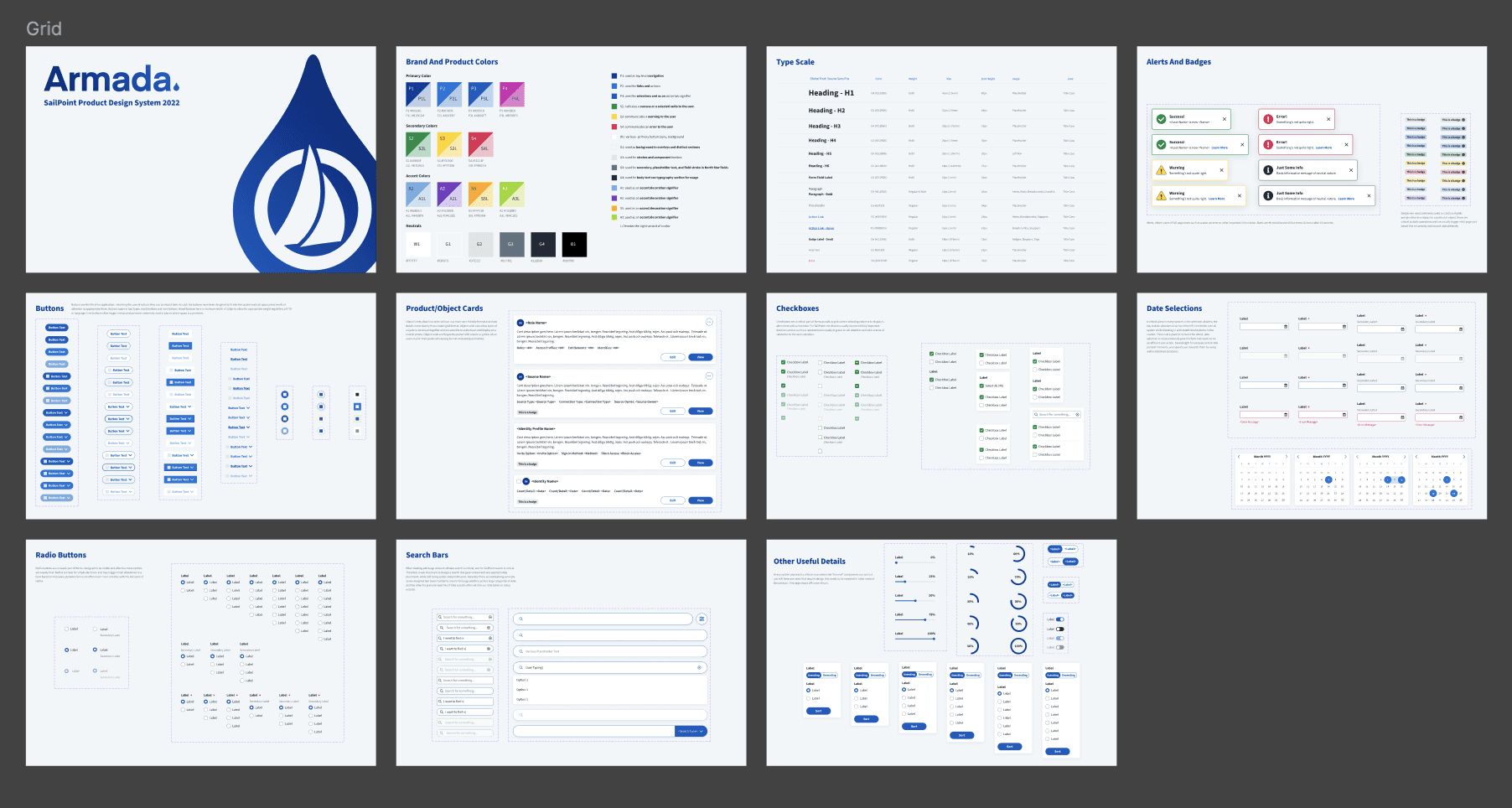
Led the Adobe XD to Figma migration without changing the delivery timeline. Built the new component library in Figma while the team kept shipping, ~100 components, rebuilt from scratch.
Move 4
Embedded tokens and density rules
B2B products need multiple density levels, some areas branded and clean, some intentionally dense data tables. Built that into the system architecture from the start rather than retrofitting it.
Side story worth telling
The rebrand arrived with two weeks notice
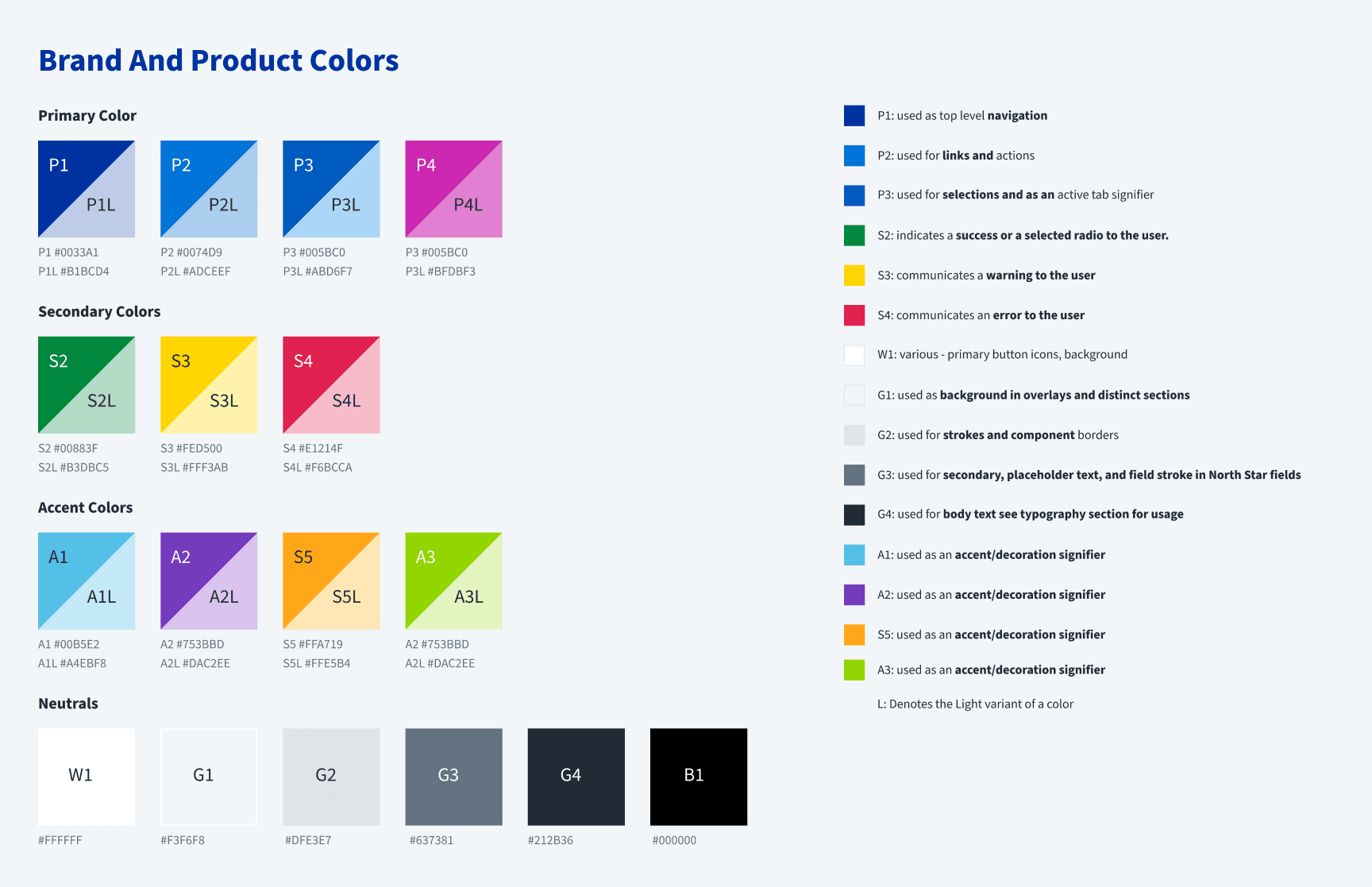
When a company-wide rebrand landed mid-project, I pushed back, not to block it, but because the implementation would have broken things we'd spent months getting right.
Accessibility
New color combos failed WCAG contrast checks. Had to be adapted before shipping.
Nav bar height
New logo spacing would have forced the nav bar taller, the opposite of what customers had been asking for.
Density system
New spacing assumed a single visual density. Doesn't work in a B2B tool with mixed contexts.
Impact
The system actually got used
1wk → days
Handoff time reduction, design to engineering
Designers on the team by the time I left
Components rebuilt in Figma from scratch
Components rebuilt in Figma from scratch
When a company-wide rebrand landed mid-project, I pushed back, not to block it, but because the implementation would have broken things we'd spent months getting right.